


EVIDENCE IN THE PALM OF YOUR HAND: A MILLENNIUM JOURNEY THROUGH THE FLOW OF VIETNAMESE CURRENCY
On every journey to discover a new land, currency is not merely a tool for exchange; it is a miniature "cultural passport."
CityHouse believes that understanding the local currency is also a way for you to touch the soul of history. Let us walk through the thousand-year journey of Vietnamese currency—from hand-cast coins to today's high-tech Polymer notes.
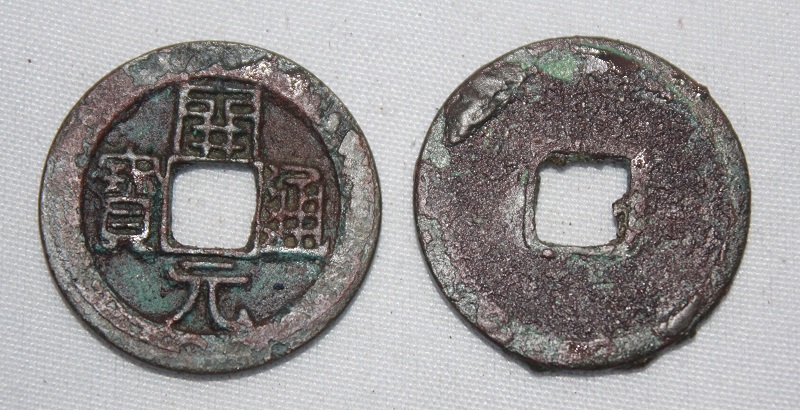
The Dawn: Copper Coins of the Dinh - Le Dynasties
In 968, after defeating the 12 warlords, Dinh Bo Linh ascended the throne as Emperor, naming the country Dai Co Viet. To affirm national independence and sovereignty, he cast the first coin: Thai Binh Hung Bao.
- Characteristics: Round coins with a square hole—symbolizing the concept of "Round Sky, Square Earth."
- Significance: This was a symbol of national power, ending the era of using currency from Northern dynasties.
During the Early Le dynasty, the Thien Phuc Tran Bao coin continued this journey, marking the stability of a young but proud economy.
Boldness of the Ho Dynasty: "Thong Bao Hoi Sao" - The First Paper Money
Few know that Vietnam was one of the earliest countries in the world to use paper money. In 1396, Ho Quy Ly issued Thong Bao Hoi Sao, a revolutionary step at the time. Although its circulation was brief due to historical upheavals, it remains a testament to the breakthrough economic thinking of our ancestors in the 14th century.
Artistry on Gold and Jade: Award Money and Imperial Poetry of the Nguyen Dynasty
Nguyen Dynasty "Award Money" represents the pinnacle of Vietnamese monetary art, with high-grade gold and silver coins engraved with classical poetry and legends. Each coin is a miniature masterpiece, reflecting masterful craftsmanship and royal authority, featuring luxurious symbols like "Long Van Khanh Hoi" (Dragons and Clouds meeting) or imperial verses.
"Uncle Ho's Money": A Symbol of Faith and Resistance
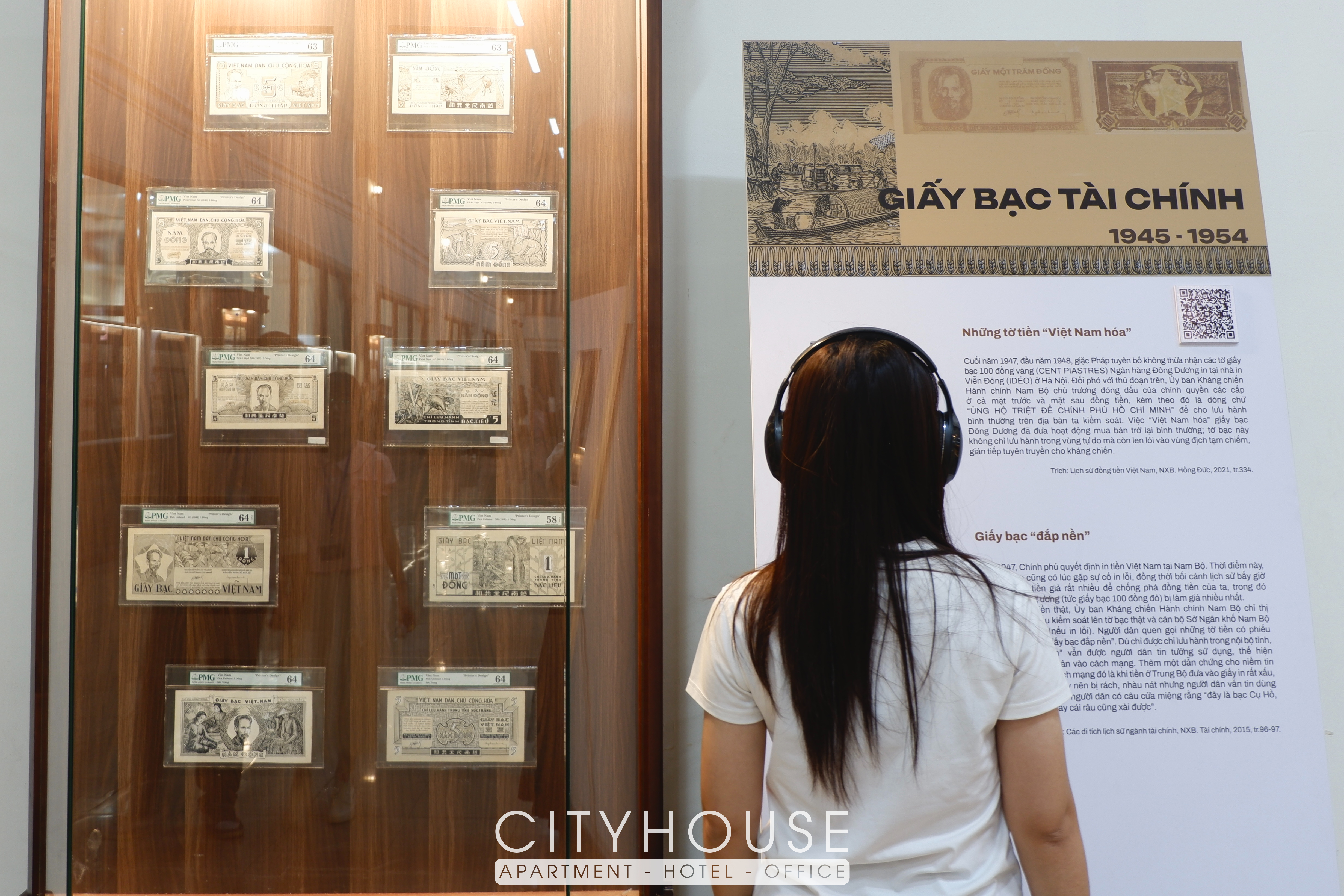
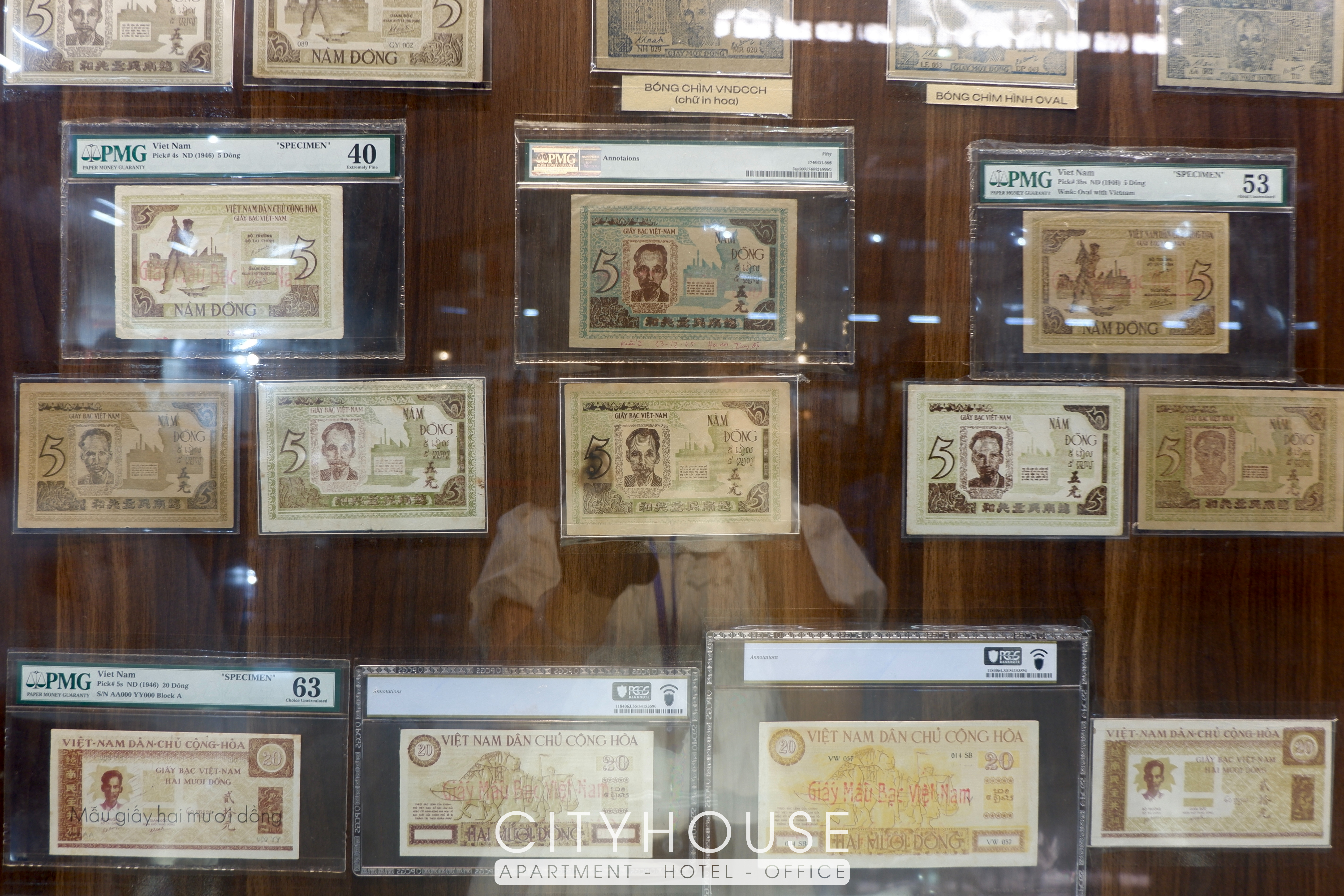
After the August Revolution in 1945, the first banknotes featuring President Ho Chi Minh (commonly known as Uncle Ho's Money) appeared. Amidst countless hardships, these notes served as a bond of patriotism, affirming an independent and free government.
The Polymer Turning Point: The Intersection of Technology and Art
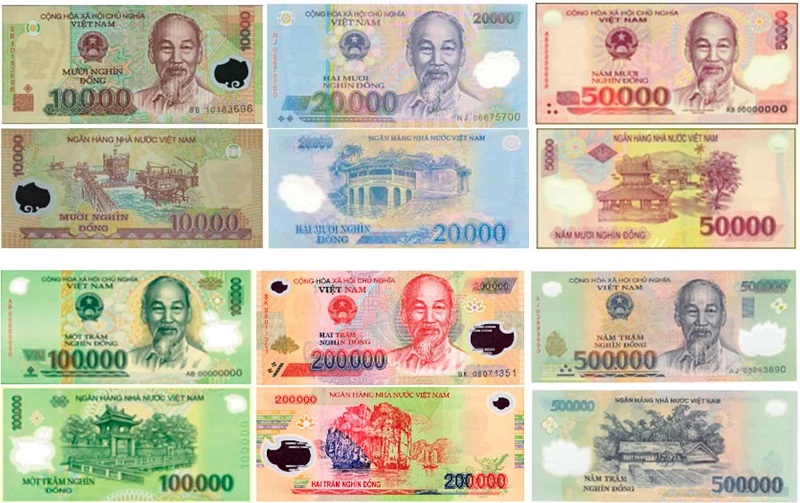
In 2003, Vietnam officially issued the Polymer series, marking a major turning point in security technology. Each banknote is a painting honoring national heritage:
- 10,000 VND: Bach Ho Oil Field - Vung Tau (The rise of modern industry).
- 20,000 VND: Cau Pagoda - Hoi An (The unique cultural intersection of Vietnam, Japan, and China).
- 50,000 VND: Nghenh Luong Pavilion & Phu Van Lau (The poetic, ancient beauty of the Hue Citadel).
- 100,000 VND: Temple of Literature - Quoc Tu Giam (The tradition of studiousness and honoring talent).
- 200,000 VND: Ha Long Bay (A World Natural Wonder).
- 500,000 VND: Thatch house in Sen Village (Absolute respect for the nation's great leader).
History is not behind us; it exists right in your pocket, in your hands every day. When you touch a currency note, remember with CityHouse that you are touching a piece of a thousand-year-old civilization.


